- Oasis center Princess cars building - 1st Floor - Unit 13-14 Sheikh Zayed Rd - Al Quoz - Al Quoz 1 - Dubai
- info@secureverse.ae
Secureverse Leading Interior Design and Fit-Out Company In UAE

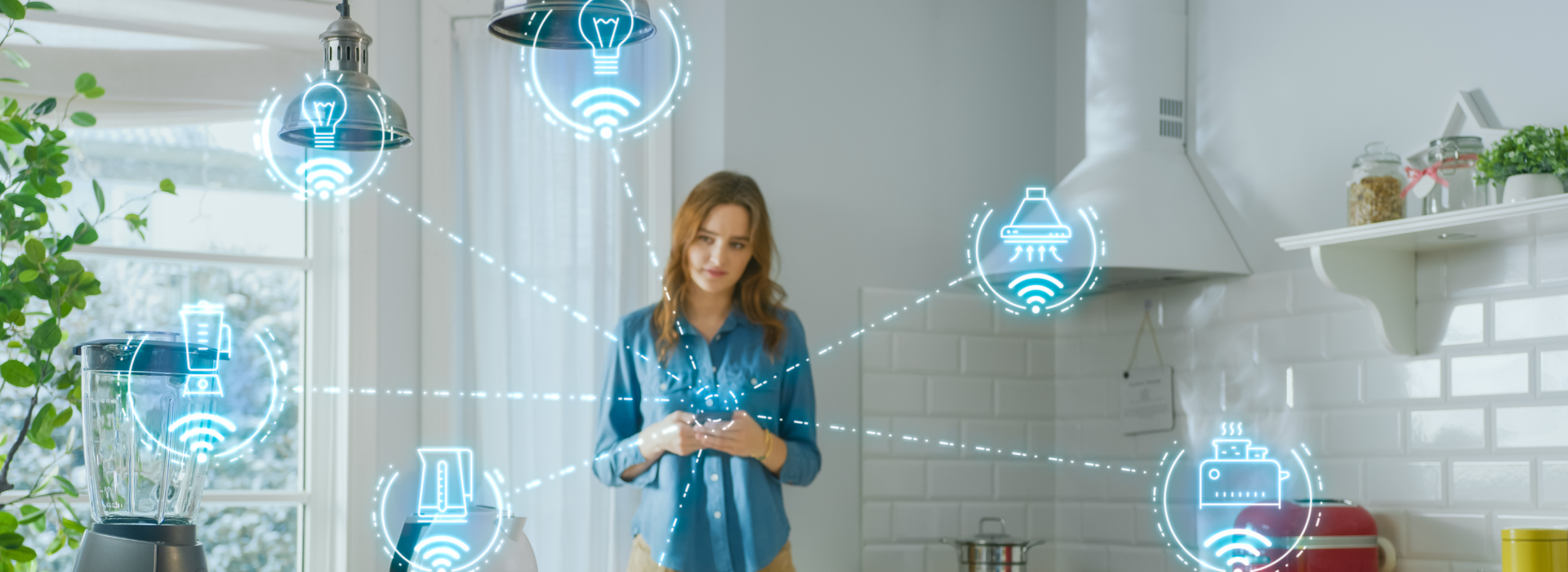
Dubai is known for modern villas, luxury apartments, high-rise residences, and technology-driven lifestyles. As homeowners look for greater comfort, security, and convenience, smart technology is becoming an increasingly important part of residential design.
A smart home can do much more than switch lights on and off from a phone. With the right setup, homeowners can manage lighting, air conditioning, curtains, security cameras, access control, entertainment systems, and other connected devices from a central interface.
However, installing a few smart devices does not automatically create a well-designed smart home. The devices need to work together reliably, and the system should be planned around the property and the people using it.
This is why selecting the right home automation Dubai provider matters. A professional team can assess your property, understand your requirements, recommend suitable technology, and configure the system so it remains practical as your needs change.
In this guide, we’ll look at the main features of smart homes, the benefits of professional installation, expected costs, and what Dubai homeowners should consider before choosing an automation company.
Home automation connects different household systems so they can be controlled automatically or remotely. Instead of operating every device separately, homeowners can use a mobile application, wall panel, remote control, voice assistant, or automated schedule.
For example, you could create a “Good Morning” scene that opens the curtains, adjusts the air conditioning, turns on selected lights, and starts your preferred entertainment system.
Similarly, a “Leaving Home” command could switch off unnecessary lights, adjust the AC, lock compatible doors, and activate selected security functions.
In a traditional home, most systems operate independently. You may have separate switches for lighting, an individual remote for the AC, another controller for entertainment, and a separate application for security cameras.
A smart home brings compatible systems together.
This does not mean every device needs to be automated. A good system focuses on the functions that genuinely make everyday life easier.
A typical system can include:
The exact configuration depends on the property, existing infrastructure, preferred technology, and homeowner’s requirements.
Dubai’s climate, property market, and technology-focused lifestyle make connected home systems particularly useful.
Many Dubai homeowners already use connected devices such as smart TVs, video doorbells, wireless speakers, and mobile-controlled appliances. The next step is bringing these individual devices into a more coordinated system.
Smart technology can be particularly attractive for villa owners and residents of premium apartments who want greater control over their property.
Modern lifestyles leave little time for managing multiple household systems manually.
Automation allows homeowners to create routines around their daily schedule. Lights can follow a timetable, AC settings can be adjusted remotely, and security alerts can be received while the homeowner is away.
For someone who travels frequently, remote access can also provide reassurance that important systems can be checked from anywhere.
Security is another important reason to consider automation.
A connected system can bring together:
Instead of checking different systems separately, homeowners can have relevant alerts delivered through a central platform.
Air conditioning is an essential part of comfortable living in Dubai. Leaving AC systems running unnecessarily can also increase energy consumption.
Automation can help homeowners create schedules, manage temperatures, and control different zones where compatible systems support it.
The goal isn’t simply to automate everything. It’s to use technology where it can provide practical value.
A well-planned smart home should make everyday activities simpler.
Smart lighting can be controlled using switches, mobile applications, sensors, or voice commands.
Homeowners can create scenes such as:
Dimming and scheduled lighting can also help create different moods without manually adjusting every light.
Climate control is particularly relevant to Dubai homes.
Depending on the property’s existing HVAC system, smart controls can allow homeowners to schedule temperatures, manage zones, and adjust settings remotely.
A professional assessment is important because not every AC system supports the same type of smart integration.
Motorized curtains can be integrated into daily routines.
For example, curtains can open gradually in the morning and close in the evening. They can also be included in scenes that combine lighting, entertainment, and climate settings.
Security automation can include cameras, smart locks, sensors, video intercoms, and mobile notifications.
A homeowner could receive an alert when a door sensor is triggered or view a camera remotely when away from home.
A smart home can also improve entertainment.
Depending on the setup, homeowners can integrate:
A movie scene, for example, could dim the lights and activate selected entertainment equipment with one command.
Mobile control allows homeowners to manage compatible systems when they are at home or away.
Voice control can be useful for simple commands such as adjusting lights or activating a scene, while a centralized application can provide broader control.
Energy monitoring systems can help homeowners understand where electricity is being consumed.
When combined with appropriate automation, this information can help identify unnecessary usage and improve day-to-day energy management.
Different properties require different approaches.
Villa automation Dubai projects often involve multiple floors, outdoor areas, several bedrooms, entertainment rooms, security systems, and larger HVAC requirements.
A whole-home solution can connect selected systems across the property while allowing individual rooms or zones to operate independently.
Apartments can benefit from more compact solutions.
Wireless devices can be useful where extensive rewiring isn’t practical. Lighting, curtains, climate control, security, and entertainment can be automated according to the apartment’s layout.
Luxury properties often require a higher level of customization.
Instead of simply installing individual devices, the system can be designed around the property’s architecture and interior design.
For example, lighting, curtains, climate control, audio, security, and access control can be coordinated through a central interface.
If you’re building or renovating a property, it is worth considering automation before the finishing stage.
Planning early can make it easier to determine wiring, network requirements, equipment locations, control panels, and future expansion possibilities.
Existing properties can also be upgraded.
Wireless and retrofit technologies can reduce the need for major structural changes. A homeowner can start with important areas such as lighting and security and expand the system later.
Buying smart devices online is relatively easy. Making several different systems work together reliably is another matter.
A professional team can assess your property and recommend solutions based on your lifestyle, budget, existing systems, and future plans.
Correct installation matters for both performance and reliability.
Sensors need appropriate positioning, devices need proper configuration, and connected systems need to communicate correctly.
One of the main advantages of professional automation is integration.
Instead of having five unrelated applications, compatible systems can potentially be brought together through a unified control platform.
A properly configured system is less likely to create unnecessary compatibility or connectivity problems.
The objective should be a system that works consistently rather than one that looks impressive during a demonstration but becomes difficult to use later.
Your requirements may change over time.
You might initially automate lighting and security and later add curtains, entertainment, climate control, or additional sensors.
A scalable system makes those future upgrades easier.
Technology can require updates, troubleshooting, configuration changes, or replacement of faulty components.
Having access to technical support can be valuable, particularly for larger installations.
There is no single price for every smart home project.
The total investment depends on the property’s size, number of rooms, technology selected, number of devices, wiring requirements, level of customization, and installation complexity.
A two-bedroom apartment will generally require a different system from a large villa with multiple bedrooms, entertainment areas, gardens, and several climate zones.
Wired systems may involve more infrastructure and installation work, while wireless solutions can be more practical for existing properties.
Automating only lighting and curtains will have a different cost from integrating lighting, AC, security, entertainment, access control, and energy monitoring.
Equipment quality and brand selection can significantly influence the overall investment.
Highly customized scenes and complex integrations may require additional design, programming, testing, and commissioning.
Our recommendation: request a detailed site assessment and quotation rather than choosing a provider based solely on an advertised starting price.
There isn’t one solution that is best for every property.
Wired systems can be particularly suitable for new construction or major renovations where infrastructure can be planned from the beginning.
They can provide a strong foundation for larger and more complex installations.
Wireless solutions can be attractive for existing apartments and homes because they can reduce the need for extensive rewiring or structural changes.
They can also make phased upgrades easier.
Some properties benefit from a combination of wired and wireless technologies.
For example, important infrastructure may use wired connections while selected sensors or retrofit devices operate wirelessly.
The right choice should be based on the property’s structure, requirements, and future plans.
Choosing a provider shouldn’t be based only on the number of products they sell.
Ask whether the company has worked on properties similar to yours.
A large villa, luxury apartment, and small residential unit can have very different requirements.
Ask to see completed installations where possible.
Look at how neatly equipment has been installed and whether the final system appears practical and easy to operate.
Before purchasing anything, make sure the proposed devices can communicate with your existing systems and with the platform you intend to use.
Ask a simple question:
“Can all these systems work together?”
A provider should be able to explain exactly which systems will be integrated and which will remain independent.
A good quotation should identify equipment, installation, programming, configuration, testing, warranty, and any exclusions.
This makes it easier to compare providers fairly.
Ask what happens if a device fails or the system requires troubleshooting.
Good after-sales support can be just as important as the initial installation.
Look for feedback about installation quality, communication, technical support, and reliability rather than focusing only on star ratings.
Buying individual smart products without checking compatibility can create a collection of disconnected devices.
Plan the overall system first.
The cheapest option may not provide the integration, quality, installation, or support required for a reliable smart home.
If you expect to add more features later, discuss expansion possibilities before selecting the initial system.
Automation should simplify life.
If a simple manual switch is more convenient for a particular function, there may be no reason to automate it.
Many connected devices depend on a reliable network.
Network coverage, equipment placement, and connectivity should therefore be considered during planning.
Connected devices should be configured securely. Strong passwords, updated firmware, appropriate access permissions, and a properly secured network are important considerations.
The process begins with a discussion about your lifestyle, property, current systems, and automation goals.
The team evaluates the property’s layout, electrical infrastructure, network connectivity, equipment locations, and installation requirements.
Based on the assessment, suitable devices, control methods, integrations, and automation scenes are planned.
The proposal should clearly explain the equipment, installation scope, estimated timeline, and cost.
Devices are installed and configured according to the approved plan. Systems are then connected and programmed.
Every major function should be tested before handover.
The homeowner should also receive a demonstration explaining how to operate the system.
Once the installation is complete, the system is handed over along with relevant user information and support details.
Artificial intelligence is increasingly being incorporated into connected devices, allowing systems to learn from usage patterns and provide more personalized experiences.
Voice assistants can provide hands-free control for compatible lights, entertainment systems, curtains, and other devices.
Smart scheduling and monitoring can help homeowners manage lighting and climate systems more efficiently.
Combining cameras, sensors, access control, locks, and alerts can create a more coordinated security environment.
Rather than controlling every device separately, homeowners can create scenes around specific activities.
A “Good Night” scene, for example, could turn off selected lights, close curtains, adjust the AC, and activate appropriate security settings.
Dubai’s luxury villa market is creating demand for increasingly seamless technology. Modern automation is moving beyond visible gadgets toward systems that integrate naturally with architecture and interior design.
Before committing to an installation, ask:
The answers will help you understand whether you’re choosing a long-term technology partner or simply purchasing a collection of smart devices.
At Secureverse, we understand that smart home technology should solve everyday problems rather than make a home unnecessarily complicated.
Every property has different requirements. A modern apartment may need a compact wireless setup, while a large villa may benefit from a more comprehensive system covering multiple rooms, security, climate control, lighting, entertainment, and access.
Our approach starts with understanding the property and the homeowner’s priorities. We then look at suitable technology, integration requirements, installation considerations, and future expansion.
The focus is on creating a system that is practical, reliable, and easy to use.
Our approach can include:
Rather than recommending technology simply because it is available, the objective is to select solutions that make sense for the property and the way it will be used.
Before choosing a provider, compare the following:
| Factor | What to Check |
| Experience | Similar residential projects |
| Technology | Reliable and compatible systems |
| Integration | Ability to connect multiple systems |
| Installation | Professional configuration and testing |
| Pricing | Detailed equipment and installation costs |
| Support | Warranty and after-sales assistance |
| Scalability | Options for future upgrades |
| Security | Proper device and network protection |
| Reviews | Genuine customer experiences |
A good provider should be able to explain not only what they recommend but also why it is suitable for your property.
A smart home should make everyday life easier, more comfortable, and more secure. Whether you’re upgrading an apartment in Dubai, building a new villa, or modernizing an existing property, the right technology can bring multiple household systems together in a practical way.
Before selecting a provider, compare experience, technology compatibility, installation quality, pricing, after-sales support, and the ability to expand the system in the future. Avoid choosing equipment simply because it is popular or inexpensive. What matters most is how well the complete system works within your property.
We at Secureverse focus on providing customized smart home solutions based on the property, technology requirements, and lifestyle of each client. From initial consultation and planning to installation, configuration, testing, and support, our goal is to make smart technology simple and useful.
If you’re considering smart home installation in Dubai, contact Secureverse to discuss your property and automation requirements. Our team can help you explore suitable options and plan a smart home system designed around the way you live.
The best system depends on the villa's size, existing infrastructure, required features, budget, and future expansion plans. A professional assessment can help determine whether wired, wireless, or hybrid automation is most appropriate.
The cost depends on the property size, number of automated systems, equipment selection, wiring, installation complexity, and level of customization. A detailed site assessment is the best way to receive an accurate quotation.
Yes, for many homeowners it can provide greater convenience, security, climate control, and centralized management. The value depends on selecting automation features that genuinely suit your lifestyle and property.
Yes. Existing homes can often be upgraded using wireless or retrofit technologies. The right solution depends on the existing electrical, network, HVAC, and security infrastructure.
Depending on the system, you can control lighting, air conditioning, curtains, security cameras, locks, entertainment, access control, and compatible appliances from a smartphone, voice assistant, or centralized control panel.